
Heritage
July 5, 2026
By Amber Lounge Editorial
Clifford Pier: From Colonial Landing to Private Theatre
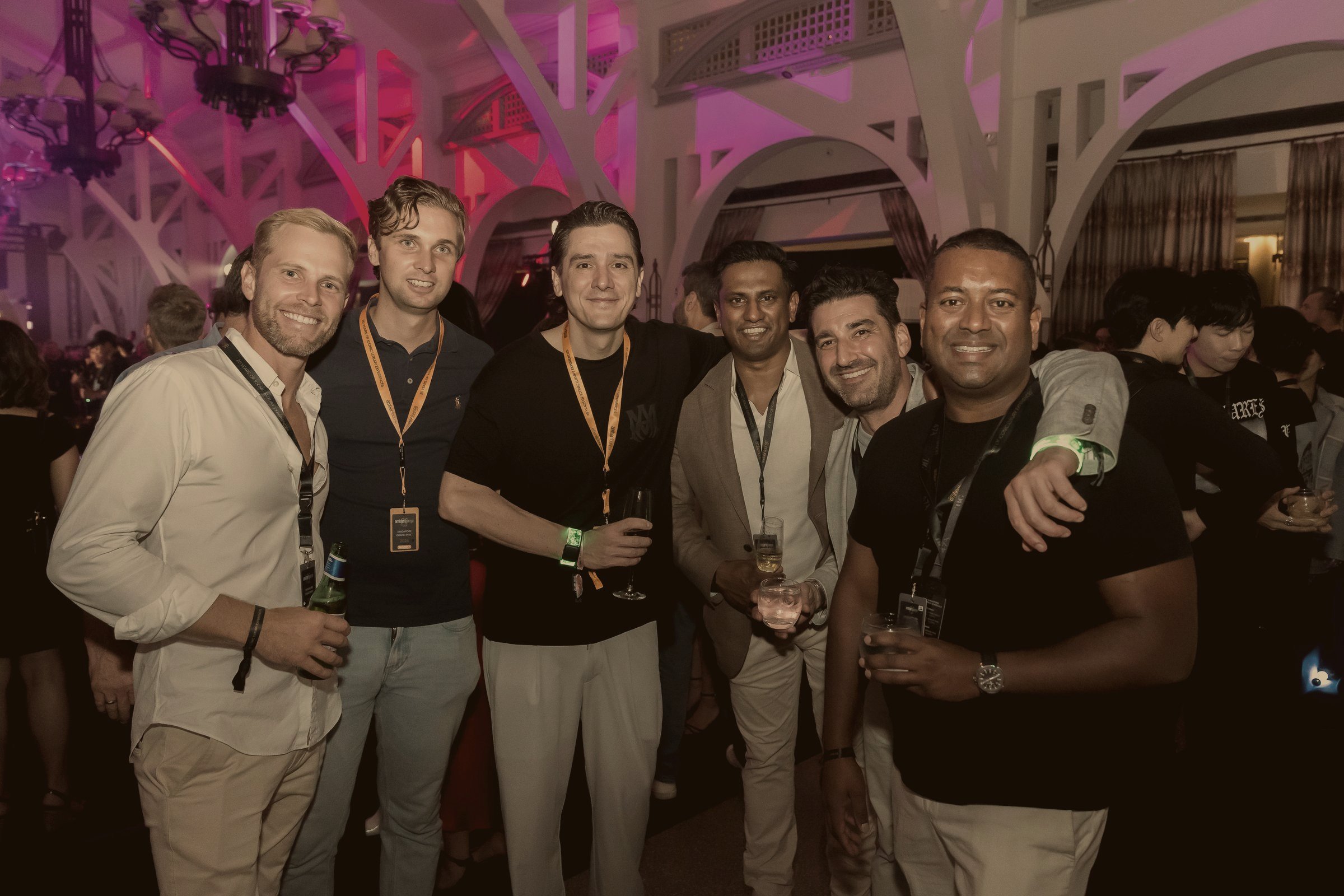
Clifford Pier opened in 1933 as Singapore's primary arrival point. For the better part of the twentieth century, passengers disembarked here and the city received the world through its doors. The architecture reflected its colonial moment: arched colonnades, soaring ceilings, a structure built for volume and to signal permanence.
When Marina Bay development reshaped the waterfront, the pier closed to commercial traffic in 2006. Unlike many structures from this era in fast-building cities, Clifford Pier was conserved rather than demolished. Years passed before a clear purpose emerged.
The Fullerton Bay Hotel provided that answer. Its design centered on restoring the pier as the hotel's defining space, a venue that preserves the original architecture intact. The arches remain. The ceiling height is unchanged. The 1933 materials are cleaned and protected, not replaced.
This heritage quality is why Amber Lounge chose the Fullerton Bay Hotel for Singapore. The original hall has a spatial scale that new venues struggle to match. The combination of historic architecture and waterfront location creates something essential to the event. From the terrace, the circuit is visible. The city skyline stretches behind it.
This positioning stems from Amber Lounge's consistent philosophy since Monaco in 2003. Every venue has carried its own history, from Casino Square to the Sporting Club at Jimmy'z. Across two decades across multiple cities. Clifford Pier is the most significant building the house has ever used.
Singapore race week in October brings Amber Lounge to the Fullerton Bay Hotel for two nights. The venue operates as a private event space those evenings. The building's history lives in the room in a way constructed venues cannot replicate.